Exploring Layered Incentive Pathways That Unlock Through Sustained Participation in Virtual Casino Environments
Klara Lehmann · Nov 5, 2026
Exploring Layered Incentive Pathways That Unlock Through Sustained Participation in Virtual Casino Environments
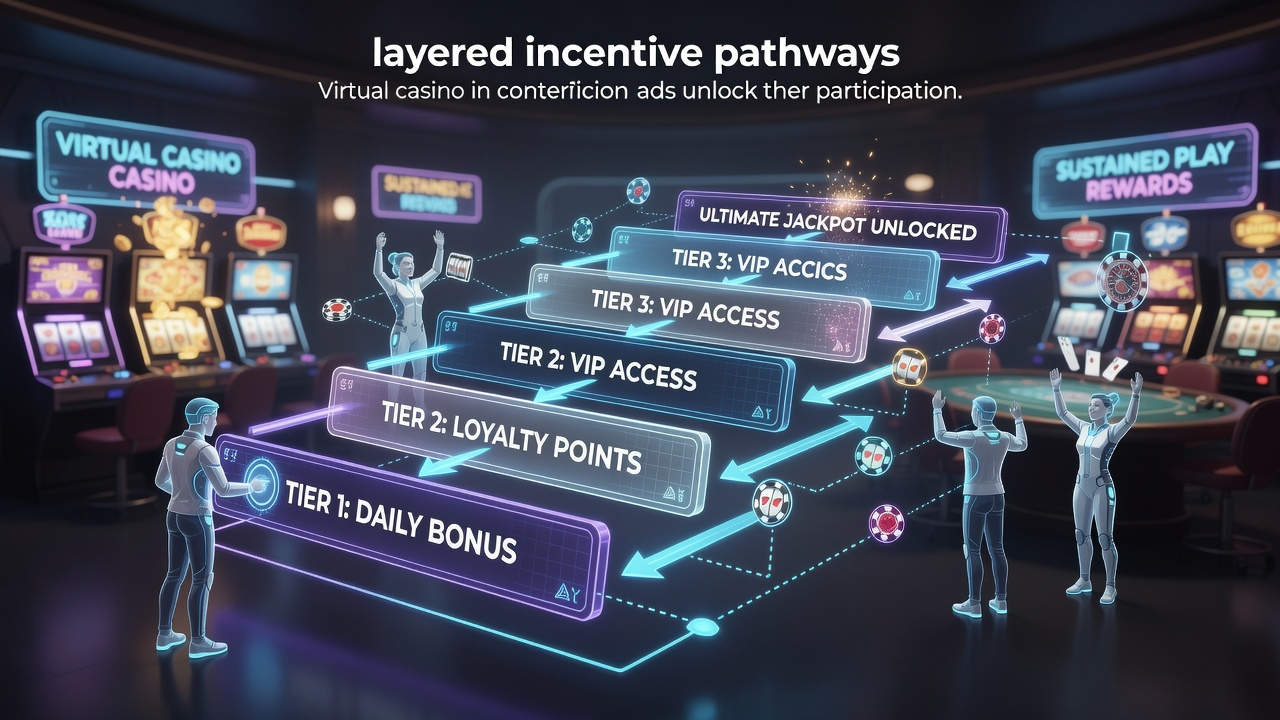
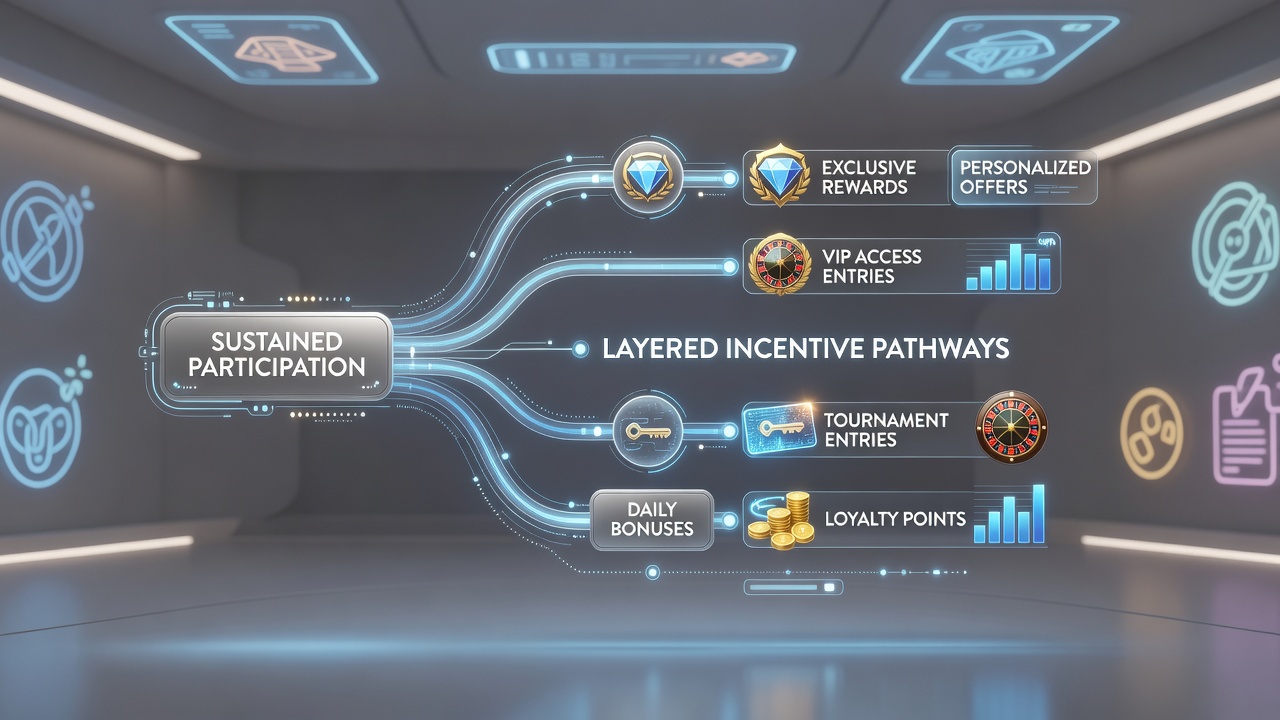
Virtual casino platforms organize incentive structures around sequential tiers that require ongoing activity before higher benefits become available, and these pathways typically track metrics such as total wager volume, session frequency, and milestone completions across weeks or months. Participants advance when accumulated data meets predefined thresholds, which then activates new reward categories unavailable at lower levels.
Core Mechanics of Tier Progression
Systems assign points based on bet size and game type, with each tier imposing stricter accumulation requirements than the previous one, while data from platform algorithms adjusts unlock conditions according to individual patterns. Once a threshold clears, the interface reveals additional features including enhanced cashback percentages, exclusive event access, and accelerated point multipliers that apply only to subsequent activity. Observers note that these unlocks often coincide with calendar-based resets, forcing continued participation to maintain status rather than allowing permanent elevation.
Tracking and Visibility Features
Most environments display progress bars and countdown timers within user dashboards, allowing real-time monitoring of distance to the next layer, and notifications trigger when partial milestones near completion. Integration with mobile applications sends reminders tied to recent activity lulls, which encourages return visits before any decay mechanics reduce accumulated progress. Studies from regulatory monitoring bodies indicate that transparent tracking correlates with longer average user lifespans on platforms, although exact figures vary by jurisdiction and operator implementation.
Regional Developments as of November 2026
Regulatory updates in several markets during November 2026 introduced standardized reporting requirements for loyalty data, compelling operators to disclose tier unlock rates and retention statistics to oversight agencies. The Alcohol and Gaming Commission of Ontario published aggregated figures showing that pathways requiring at least 90 days of sustained play accounted for the majority of high-tier activations across licensed sites. Similar reporting from the Victorian Commission for Gambling and Liquor Regulation in Australia revealed parallel trends, with layered structures contributing to measurable increases in monthly active accounts among participants who crossed the second tier threshold.
Interaction with Game Selection and Timing
Pathway designs frequently weight certain game categories more heavily during accumulation phases, directing activity toward titles that carry higher point yields or bonus round frequencies. Seasonal events overlay additional multipliers during specific windows, which can compress the time needed to reach an unlock but also create urgency around participation windows. Those who have examined platform logs report that simultaneous participation across multiple games sometimes accelerates progress when operators apply cross-title bonuses, although eligibility rules prevent stacking every available modifier at once.
Comparative Structures Across Operators
Different platforms implement distinct layer counts and reward densities, with some capping progression at five tiers while others extend to eight or more, each adding incremental privileges such as dedicated support channels or custom game modes. Comparisons compiled by industry research groups highlight that operators with broader geographic reach tend to standardize pathways across regions, whereas localized platforms adjust thresholds according to local regulatory caps on promotional value. These variations produce measurable differences in the average duration required to reach equivalent reward levels when tracked across user cohorts.
Conclusion
Layered incentive pathways continue to evolve as virtual casino operators refine data-driven triggers that respond to sustained engagement patterns, and regulatory scrutiny in late 2026 has begun standardizing disclosure around these mechanisms. The structures reward consistent activity through sequential access grants rather than immediate entry bonuses, creating extended participation cycles that align platform objectives with observable user behavior metrics.